


Thinking About Moving to Lakewood Ranch, Florida? Here’s What I Tell My Clients

“So…we’re thinking about moving to Lakewood Ranch.”
I hear some version of that sentence all the time.
Sometimes the move is still a distant idea. Sometimes the house up north is already under contract and the buyers need to find a Florida home immediately. Either way, my first advice is the same:
Do not begin by choosing a house.
Begin by choosing how you want to live.
Lakewood Ranch is a large master-planned community spanning parts of Manatee and Sarasota counties, and it is not one neighborhood with one personality. Its villages offer very different combinations of home styles, amenities, fees, locations and daily routines.
The model home may get your attention. But the right village is what determines whether you will still love your decision after the new-house excitement wears off.
Here is what I tell my relocation clients before we start touring homes.

1. Test-drive Lakewood Ranch for a weekend
If your timeline allows it, spend at least one full weekend here before buying.
Do not treat the visit like a vacation. Treat it like a test drive of your future routine.
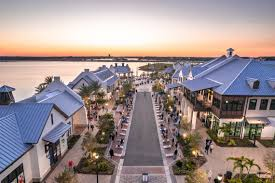
Have coffee where you might actually go on a normal morning. Drive from the neighborhoods you are considering to the grocery store, restaurants, medical offices, schools, work or the interstate. Walk the trails. Visit a community amenity while residents are using it. Go to Main Street and Waterside Place. See what feels convenient and what only looks close on a map.
Most importantly, visit the neighborhoods at different times of day. A street that feels peaceful at 11 a.m. may sound different during school traffic, rush hour, an evening event or active construction.
Lakewood Ranch promotes more than 150 miles of trails along with community events, shopping, dining and recreation. Those features are real—but they will matter differently depending on where you live and what you will actually use.
I offer relocation tours for exactly this reason. A productive tour should not be a race through ten model homes. It should help you understand how the different parts of Lakewood Ranch connect and which ones fit your real life.
2. Compare villages, not just houses
Two Lakewood Ranch homes with similar prices and square footage can offer completely different lifestyles.
One village may revolve around bundled golf and club life. Another may emphasize trails, parks and family programming. Some are gated. Some are not. Some offer maintenance-assisted living. Others give owners more responsibility and flexibility. There are all-ages villages, active-adult communities, luxury enclaves, townhomes, condos and traditional single-family neighborhoods.
Before looking at floor plans, decide what you actually want from the community:
Do you want a socially active neighborhood or more privacy?
Do you want golf, and are you comfortable with the related membership structure?
Will you use a large amenity campus enough to justify its cost?
Is a staffed gate important to you?
Do you prefer a newer village or an established one with mature landscaping?
Do you want to walk or bike to dining and events?
How much maintenance do you want the association to handle?
There is no universally “best” Lakewood Ranch village. There is only the one that fits your priorities, budget and rhythm better than the others.

3. Look beyond the advertised home price
The price on a builder website is not always the complete price of the home you saw online.
Lakewood Ranch’s official home finder notes that advertised prices may not include homesite premiums, upgrades and options. Depending on the builder and property, the final number may reflect the structure, lot selection, elevation, design choices, pool, outdoor living package and other additions.
Then there are the continuing ownership costs.
Buyers should understand the HOA fees, CDD assessment, club or golf obligations, maintenance responsibilities, insurance expectations and any additional community charges before deciding what feels affordable.
A home with the lowest purchase price is not automatically the least expensive choice. And a higher-fee community is not automatically a bad value if its services and amenities replace expenses you would otherwise pay separately.
The useful number is not just “cash to close.” It is the complete monthly and annual cost of living there.
4. Get the unfiltered version—but verify it
Local Facebook groups and neighborhood forums can be helpful because they reveal the questions residents repeatedly discuss. You may learn about community events, construction, traffic patterns, amenity use and everyday inconveniences that never appear in a listing description.
But social media is not due diligence.
The loudest post is not always the most representative experience, and neighborhood rumors are not a substitute for governing documents, public records or professional inspections. Use local groups to identify questions—not to supply the final answers.
If you see repeated concerns, ask your Realtor to help you locate the appropriate source. Depending on the question, that might include HOA documents, county records, development applications, builder information, insurance professionals or inspection reports.
Resident opinions can provide context. Documents provide facts. You want both.
5. Ask what is coming next
One of the easiest relocation mistakes is evaluating only what exists today.
Lakewood Ranch and the surrounding region continue to grow. Future roads, commercial projects, schools, residential phases and infrastructure can change traffic patterns, views, convenience and the character of an area.
That beautiful open field behind a homesite may not remain open. A quiet road may eventually connect to additional development. A planned retail area may improve convenience—or bring more activity than you expected.
Ask about:
Future residential and commercial phases
Planned roads and road extensions
Undeveloped parcels near the property
Current and proposed zoning or land uses
Builder timelines and ongoing construction
Planned amenities and who will fund or maintain them
Potential changes to access points and traffic flow
Manatee County provides public planning resources, including development-project searches and future-land-use information. Those resources are far more useful than guessing what an empty parcel may become.
No one can promise that an area will never change. The goal is to make the decision with your eyes open.
6. Verify school assignments objectively—even if you do not have children
School assignment may influence a buyer’s home search and the future pool of buyers for a property. That does not mean a Realtor should label a school or neighborhood “good” or “bad.” It means buyers should verify the factual information that matters to their household.
Lakewood Ranch crosses county lines, and attendance boundaries can be property-specific and can change. Never rely solely on a listing description, an old map or what someone remembers from a neighborhood group.
For Manatee County properties, buyers can use the School District of Manatee County’s current residential attendance-zone locator. If you are considering a property in Sarasota County, verify the address through that district’s official resources as well. Families should also investigate registration, transportation, programs and any controlled-open-enrollment options directly with the applicable district.
As your Realtor, I can point you to objective sources and help you identify the correct questions. The final school decision belongs to you.
7. Understand golf deeds, club memberships and community obligations
Golf can be a major lifestyle benefit—and a major financial commitment.
Some Lakewood Ranch communities offer bundled golf or attach specific membership rights and obligations to the property. Others have optional or separate club structures. The terminology, availability, waitlists, transfer rules and costs can vary.
Do not assume that buying inside a golf community automatically means immediate golf access. And do not assume you can opt out of every charge if you do not play.
Before making an offer, understand:
Whether membership is mandatory, bundled, optional or unavailable
Initiation, transfer and recurring fees
Food-and-beverage minimums, if any
Current access or waitlist conditions
What transfers with the property
How the obligation may affect your future buyer pool
The same principle applies to any major community feature: know exactly what you are buying, what you are required to pay and what can change.

8. Visit during more than one Florida season if you can
Florida does have seasons. We simply experience them differently.
Winter and early spring bring cooler weather, seasonal residents and a busier social calendar. Summer brings heat, humidity, afternoon storms and a different traffic rhythm. Hurricane season also prompts practical questions about preparation, insurance and travel.
If you are not under time pressure, visiting at different times of year can give you a much more realistic picture. At minimum, ask what daily life feels like outside the perfect-weather week when you first fell in love with the area.
Try the commute during season. Walk the neighborhood in summer. See how the lot handles a heavy rain. Notice the sun exposure at the time of day you expect to use the lanai.
These are not glamorous details, but they are the details that determine whether a Florida house works for you.
9. Pay attention to the lot—not just the floor plan
You can remodel a kitchen. You cannot move the house.
Lot position can affect privacy, noise, sunlight, outdoor comfort, view and resale value. A model may showcase the perfect exposure and a wide water view, while the available homesites tell a different story.
When comparing lots, consider:
Road, amenity, school or commercial-area proximity
Current and future construction
Water, preserve, neighbor or infrastructure views
Morning and afternoon sun exposure
Pool and lanai orientation
Drainage and elevation information
Utility equipment and easements
Sidewalks, mailboxes and pedestrian traffic
Space and approval requirements for a future pool
The floor plan gets most of the attention during a sales presentation. The lot often has the greater long-term consequence.
10. Think about resale before you buy
You do not need to plan on moving soon to care about resale.
Life changes. Jobs change. Families change. Priorities change. A smart purchase should serve you now without ignoring the buyer who may evaluate it later.
Resale is affected by much more than the number of bedrooms. Lot position, view, floor-plan functionality, insurance costs, community fees, competing new construction, builder reputation, upgrades and location within Lakewood Ranch can all matter.
This does not mean buying the most generic home possible. It means understanding which choices are personal luxuries and which choices may be difficult or expensive to overcome later.
The goal is not to buy for a hypothetical stranger. It is to avoid paying a premium for something future buyers may treat as a problem.

The biggest Lakewood Ranch relocation mistake
The biggest mistake is assuming that loving Lakewood Ranch means you will love every village in it.
You will not—and that is actually the point.
Lakewood Ranch offers enough variety for very different versions of Florida living. The buyer who wants to walk to restaurants may choose differently from the buyer who wants golf outside the back door. The buyer who prioritizes a large homesite may choose differently from the buyer who wants maintenance included. The right answer changes with the person.
My role is not to sell you the first beautiful house we tour. It is to help you understand the tradeoffs before you make an expensive decision.
Ready to explore Lakewood Ranch like a local?
If Lakewood Ranch is even casually on your radar, let’s start before you are under pressure to buy.
I can help you compare villages, understand new construction and resale options, identify the questions hidden behind the marketing and build a tour around the way you actually want to live.
No generic sales pitch. No sending you through random model homes. Just honest local guidance, a smart plan and the context you need to choose confidently.
Contact Izzy Pollack, Broker Associate with Corcoran Dwellings, to plan your personalized Lakewood Ranch relocation tour.

Frequently Asked Questions About Moving to Lakewood Ranch
Is Lakewood Ranch one neighborhood?
No. Lakewood Ranch is a large master-planned community with multiple villages across portions of Manatee and Sarasota counties. Villages vary in housing type, age, amenities, fees, access, club structure and overall lifestyle.
How long should I visit before buying in Lakewood Ranch?
If possible, spend at least one full weekend and visit your preferred areas at different times of day. Buyers with more flexibility may benefit from visiting during both the busier winter season and the hotter, rainier summer months.
What fees should Lakewood Ranch buyers investigate?
Depending on the property, costs may include HOA fees, CDD assessments, condo fees, maintenance charges, golf or club fees, insurance and optional amenity expenses. Review the property-specific documents and current fee schedules before making a decision.
Should I buy new construction or a resale home in Lakewood Ranch?
Both can be good options. New construction may offer design choices, warranties and builder incentives, while a resale may offer an established streetscape, completed improvements, a pool or a location no longer available from the builder. Compare the complete price, timeline, lot and long-term costs—not just the base price.
How do I verify which schools serve a Lakewood Ranch address?
Use the official attendance-zone locator for the applicable county and confirm the address directly with the school district. Lakewood Ranch spans county lines, boundaries can be property-specific and assignments may change.
Are golf memberships mandatory in Lakewood Ranch?
It depends on the community and property. Some have bundled or mandatory structures, while others have optional, separate or limited memberships. Confirm the current terms, costs, availability and transfer rules before purchasing.
What should I ask about future development?
Ask about nearby undeveloped parcels, planned residential and commercial phases, road projects, access changes, school construction and future amenities. Review official county planning and development resources whenever possible.



Comments